Skip to content
Moss & Meadow
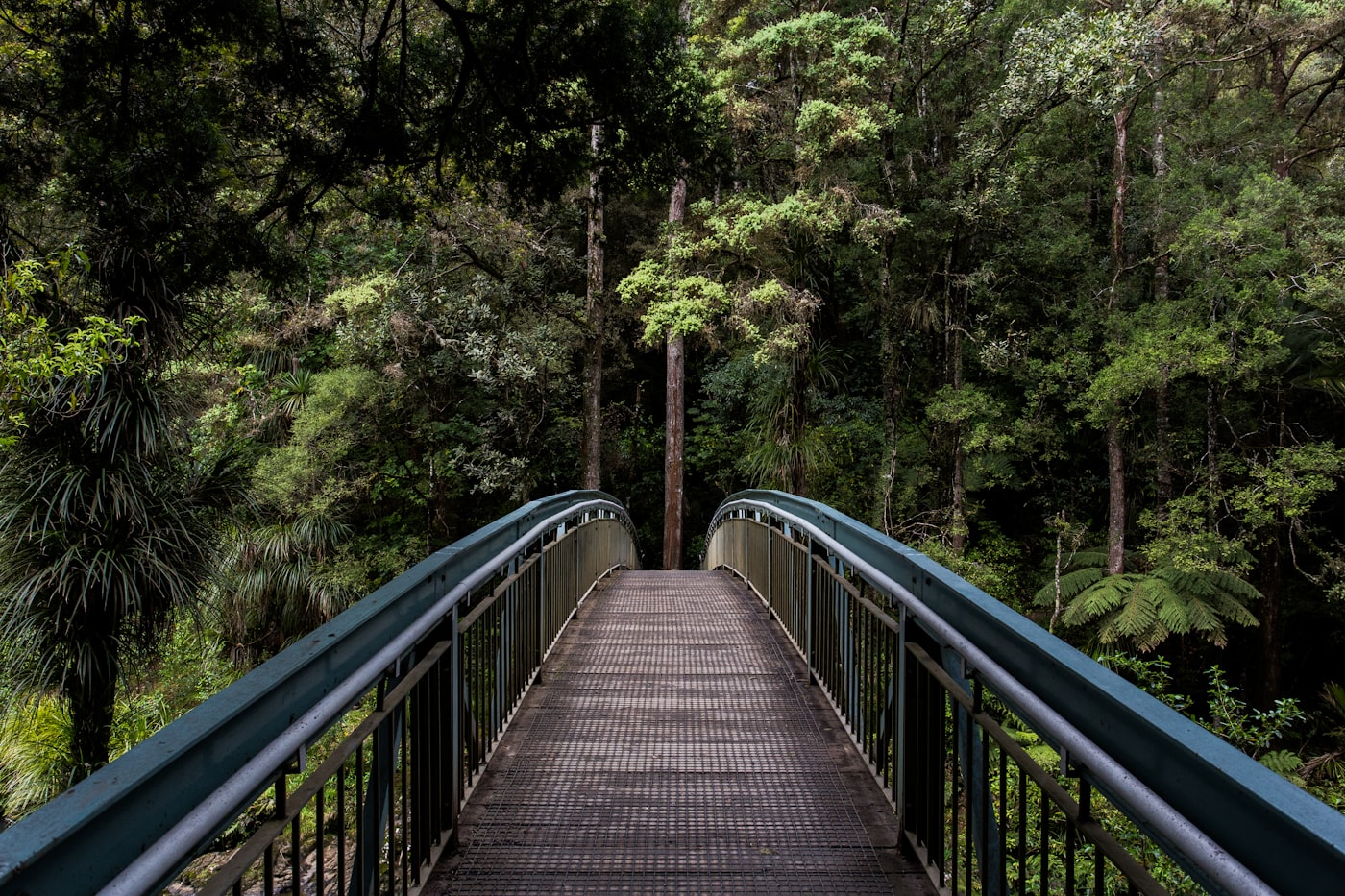
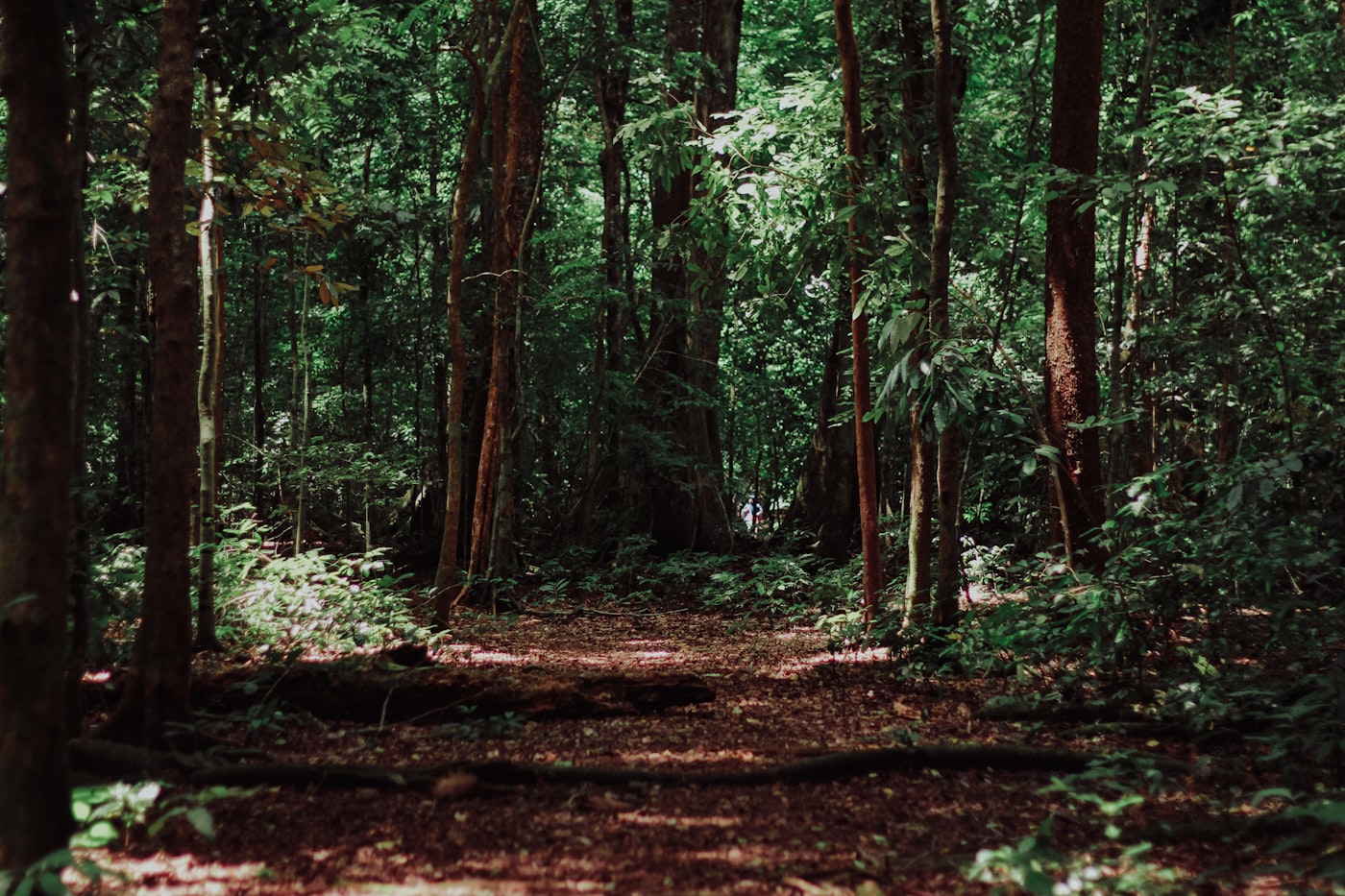
Tall straight trees in a shaded grove with a soft path running through

What we do

Five services,
and what each one actually covers

Design and build under one roof. Below is the honest version — what's included, when you need it, and roughly what it costs before we've seen your ground.

01

Landscape Design

Drawings you can build from — or hand to somebody else.

A single eucalyptus stem laid flat on a pale surface

When you need it

You have a yard that isn't working and no clear picture of what it should be instead. Or you have three good ideas that fight each other. Design is where those get resolved on paper, at a tenth of the cost of resolving them in the ground.

What's included

  • Site survey — measured plan, spot levels, existing trees and utilities located
  • Light and drainage study across a full day, plus a soil probe and pH read
  • A scale plan drawn by hand, then finished digitally, at 1:100
  • Planting palette with every species named, sized and counted
  • Two rounds of revisions built into the fee
  • A phased build quote, fixed, valid for six months
Typical range
$1,400 – $3,800
Timeline
Four weeks from walk-through
Credited back
50% against a build with us

02

Full-Yard Installation

One crew, one sequence, from bare ground to planted.

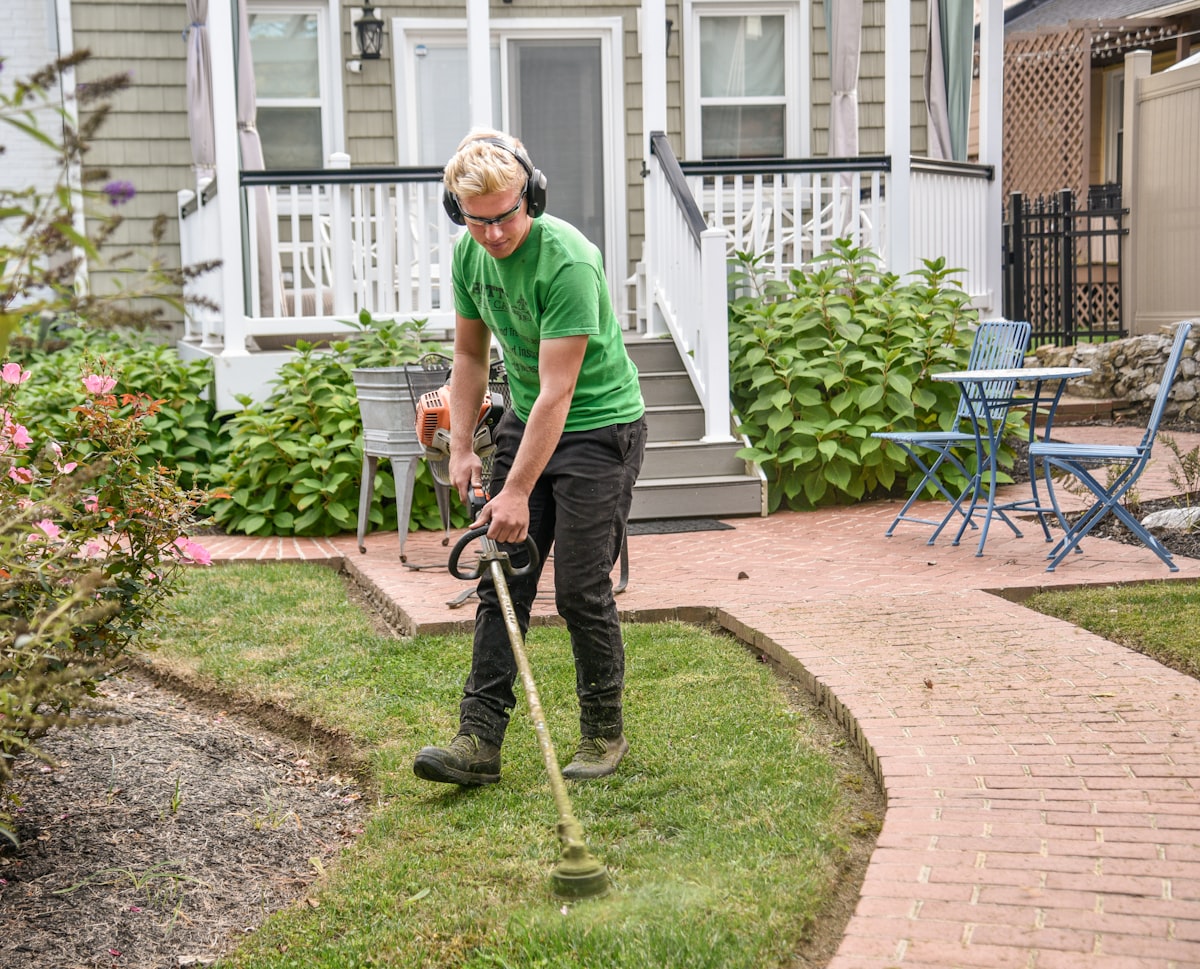
A landscaper edging a lawn beside a brick garden path

When you need it

New build, a gut renovation, or a garden that has been patched so many times it needs starting again. If the ground has to move, this is the service — grading and drainage are the two things nobody can retrofit cheaply later.

What's included

  • Demolition, haul-away and site protection for anything staying
  • Rough and finish grading, with positive fall away from the house
  • Drainage — French drains, dry wells, downspout tie-ins as needed
  • Irrigation: drip to beds, rotors only where lawn genuinely earns it
  • Soil built to depth — compost, mineral amendment, no bark dust as filler
  • Every plant set, staked, mulched and watered in by our own crew
Typical range
$18,000 – $85,000
Timeline
Two to six weeks on site
Warranty
One year on plants, three on hardscape

03

Native & Drought-Wise Planting

Beds that still look intentional in the third week of August.

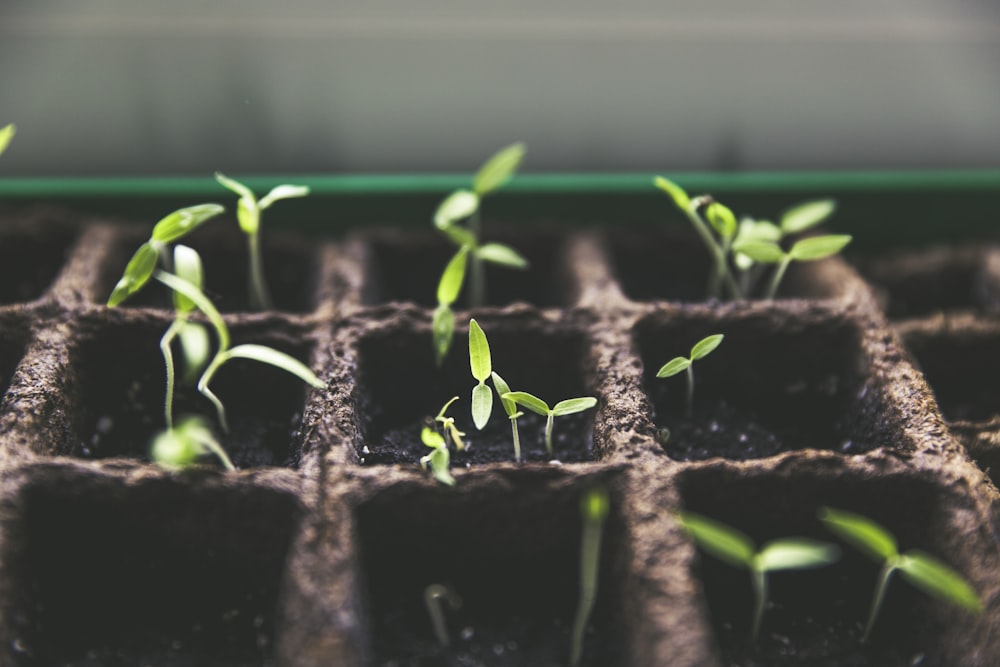
Rows of green seedlings pushing up through dark soil

When you need it

Your water bill climbs every July, or the bed you planted three years ago has become a watering chore. This is also the right service if you want pollinators, or if you are on a septic field and can't put deep roots in the ground.

What's included

  • Plant selection drawn from Willamette Valley natives and proven dry-summer performers
  • A written water budget — how much, how often, and when to stop
  • Fall planting wherever the calendar allows, so winter rain does the establishing
  • Drip laid on the surface under mulch, so it can be seen and repaired
  • Two-year establishment schedule, then off irrigation entirely
  • A one-page plant card for your fridge: what it is, when it blooms, when to cut it back
Typical range
$3,500 – $22,000
Best planted
October through early December
Water saved
40–70% versus the lawn it replaces

04

Patios, Paths & Stone

Hand-set, dry-laid, and cut to the fall of your ground.

A narrow walkway running between tall ferns and green woodland

When you need it

You want somewhere to sit that isn't the lawn, a route that doesn't turn to mud in January, or a slope that needs holding. Hardscape is the most permanent thing we build, so it is worth doing once, properly, on a base that will not move.

What's included

  • Excavation to a compacted open-graded base — 8 inches minimum under seating areas
  • Flagstone, bluestone, basalt and local quarry gravel; we'll show you samples on site
  • Dry-laid retaining walls to 30 inches — no footings, no engineering, no permit
  • Steps cut to a single consistent riser, because uneven steps are how people fall
  • Permeable joints throughout, so nothing sheds water at your foundation
  • Low-voltage path and step lighting run in the same trench
Typical range
$28 – $52 per sq ft
Timeline
One to three weeks
Warranty
Three years against settling

05

Seasonal Care Plans

Eight visits a year, on a calendar, by people who know the plan.

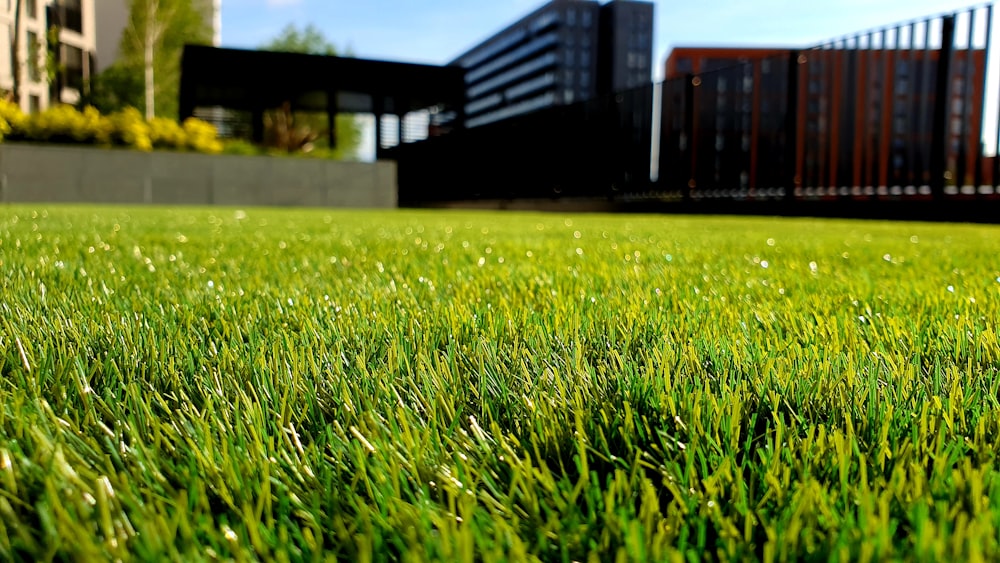
Close-up of dense, freshly cut green lawn

When you need it

A designed garden that gets mowed by a general crew slowly becomes a mown garden. Care plans exist to stop that. If we drew it, we already know what every shrub is meant to become and when it should be cut.

What's included

  • Eight scheduled visits: two spring, three summer, two autumn, one winter structural prune
  • Pruning to a written calendar — nothing sheared, nothing cut in the wrong month
  • Spring bed refresh: edge, weed, top-dress with compost, re-mulch to two inches
  • Irrigation start-up in April and blow-out in October
  • Seasonal replanting of any annual pockets, plant cost billed at our trade price
  • A short written note after every visit — what we did, what we're watching
Typical range
$185 – $460 per visit
Commitment
Season by season, cancel any time
Priority
Care clients jump the queue for build work

Before you ask

Four things
everyone asks.

Do I have to do design and build together?
No. Plenty of people take the drawings and build them over three or four years themselves, or hand them to another contractor. If you do build with us, half the design fee comes back off the quote.
How far do you travel?
Salem, Keizer and about ten minutes past — Salem, Keizer, West Salem, South Salem, Turner, Aumsville and the towns between. Keeping the radius small is why the same crew shows up and why call-backs happen in days rather than weeks.
What happens if a plant dies?
Anything we planted is covered for a full year. Tell us, and we replace it and re-plant the spot — no argument, no charge, once. If the same thing dies twice we chose wrong, and we'll put something else there instead.
Can you work around what's already there?
That's most of our work. Mature trees, an old brick path, a rhododendron somebody's grandmother planted — we'd rather design around those than start clean. They're the only part of a new garden that already looks old.